







































































![Sales & Distribution [Oil & Gas]](https://www.hiddenbrains.com/blog/wp-content/themes/blankslate/assets/images/sales_and_distribution-icon.74d08193.svg "Sales & Distribution [Oil & Gas]")

![Fluid Terminal Management [Oil & Gas]](https://www.hiddenbrains.com/blog/wp-content/themes/blankslate/assets/images/fluid_terminal_management-icon.4b3a27a4.svg "Fluid Terminal Management [Oil & Gas]")


![Sales & Distribution [Oil & Gas]](https://www.hiddenbrains.com/blog/wp-content/themes/blankslate/assets/images/sales_and_distribution-icon.74d08193.svg?1.0.0 "Sales & Distribution [Oil & Gas]")
![Fluid Terminal Management [Oil & Gas]](https://www.hiddenbrains.com/blog/wp-content/themes/blankslate/assets/images/fluid_terminal_management-icon.4b3a27a4.svg?1.0.0 "Fluid Terminal Management [Oil & Gas]")

































































































Summary
An FSBO real estate platform is reshaping how properties are listed, discovered, and sold. This blog explores why owner-to-buyer models, rental integrations, and AI-powered marketplaces are gaining traction across the USA, Canada, and Mexico. It explains key features, technology stacks, monetization models, and real-world use cases behind scalable real estate platforms. Ideal for founders and decision-makers building future-ready property ecosystems.
Real estate is no longer broker-first. It is becoming digital-first. Fast. Transparent. Owner-driven. Buyers expect control. Sellers want flexibility. Everyone wants speed. That shift fuels modern real estate experiences today.
FSBO real estate platforms play a focused role here. They let owners list directly.
No agents involved. No heavy commissions paid. These platforms still serve a niche market. Yet their impact remains meaningful. Especially as technology adoption accelerates.
FSBO sales dropped to around 5–6% of total home sales in 2025, compared to 7–10% in the years between 2021 and 2023. This decline reflects a more mature and selective market, not a loss of relevance. FSBO platforms continue to attract motivated sellers who value control, cost efficiency, and direct buyer engagement.
Platforms like ForSaleByOwner.com still attract demand. More than 610K visits in December 2025.
This continued interest proves that seller intent remains strong. What matters now is having a reliable property listing marketplace that buyers trust and owners can manage with confidence. With modern technology, these platforms can scale efficiently while supporting faster, more transparent transactions.
What Is an FSBO Real Estate Platform?
An FSBO real estate platform allows property owners to list directly. No intermediaries. No forced broker involvement. It is, at its core, an owner-listed property platform. Sellers control pricing, content, and communication. Buyers connect straight with decision-makers.
It differs from broker-centric portals. Traditional platforms prioritize agents. Listings compete through paid visibility. Owner intent often gets diluted. In contrast, a modern FSBO (For Sale By Owner) real estate platform removes friction.
Technology now streamlines the entire property journey by handling discovery, verification, and communication within a single platform. Smarter search improves relevance, cleaner listings reduce confusion, and faster conversations shorten decision cycles. Cloud-based infrastructure supports scale, while AI enhances recommendations and pricing visibility. Secure messaging further builds trust by removing unnecessary intermediaries.
As a result, adoption is growing steadily across the USA, Canada, and Mexico, particularly among digital-first sellers and cost-conscious buyers who value transparency and control.
Launch Smarter FSBO and Property Marketplaces Today.
Talk to Our Experts
Why Should You Build Owner-to-buyer Platforms?
Owner-to-buyer platforms are not replacing agents overnight. Instead, they are quietly reshaping seller behavior, particularly among cost-aware, tech-comfortable homeowners.
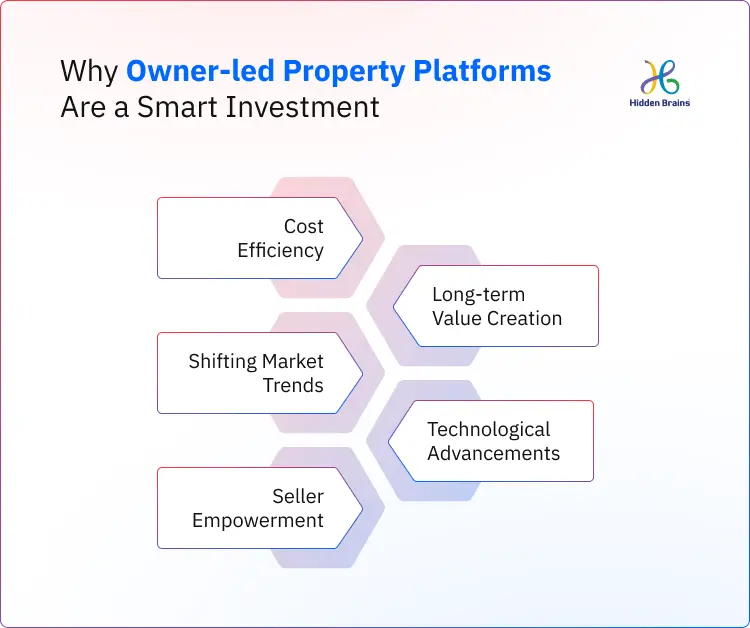
In 2025–2026, this shift is structural rather than temporary, driven by technology that lowers barriers, increases transparency, and gives sellers greater control over the process.
These platforms sit between full DIY and full brokerage. That middle ground is growing fast.
1. Cost Efficiency Is Now a Strategic Advantage
Commission structures have changed. The 2024 NAR settlement reshaped expectations.Buyer-agent fees are no longer mandatory on MLS. Sellers increasingly want flexibility, greater control over their equity, and more pricing options. Owner-to-buyer platforms support this shift by offering flat-fee MLS access, lower upfront costs, and the ability to avoid forced percentage-based commissions. For builders, this creates clear demand for platforms that support transparent pricing models and commission customization at scale.
2. Technology Removes Traditional Friction
Earlier FSBO failed due to complexity. That barrier is disappearing. Modern platforms use AI-driven tools such as automated valuations, smart pricing suggestions, virtual staging, and intelligent buyer matching to make owner-led selling more efficient and informed. Integrated MLS feeds matter. So do digital contracts and e-signatures. Technology now does what agents handle manually at speed and consistency. It makes building robust platforms essential. Not optional.
3. Sellers Want Control, Not Chaos
Autonomy is the real driver. Not rebellion against agents. Owners want control over listings, over pricing, and over negotiations. Direct communication reduces delays.
No middle-layer misalignment. This model works well for known buyers, niche markets, and rural regions. Platforms that empower control win trust. Platforms that complicate it fail fast.
4. Market Behavior Is Shifting, Not Reversing
Agent usage remains high. But alternatives are growing steadily. Hybrid models are rising. Flat-fee and assisted FSBO options expand choice. Affordability pressure accelerates experimentation. Moderating rates supports buyer confidence. Owner-to-buyer platforms fit this moment. They offer savings without full risk exposure.
5. Direct Owner-to-buyer Property Platforms Create Long-term Value
The goal is not pure FSBO dominance. It is smarter participation. Direct owner-to-buyer property platforms reduce friction. They increase transparency. They shorten deal cycles. For businesses, they unlock scalable ecosystems. For builders, they demand strong architecture. Overall, it ensures flexible workflows and AI-ready foundations.
Core Features of a Modern Home Listing Website
A modern home listing website is no longer a digital noticeboard. It functions as a data-driven, AI-powered ecosystem, especially when designed as a direct owner-to-buyer property platform.
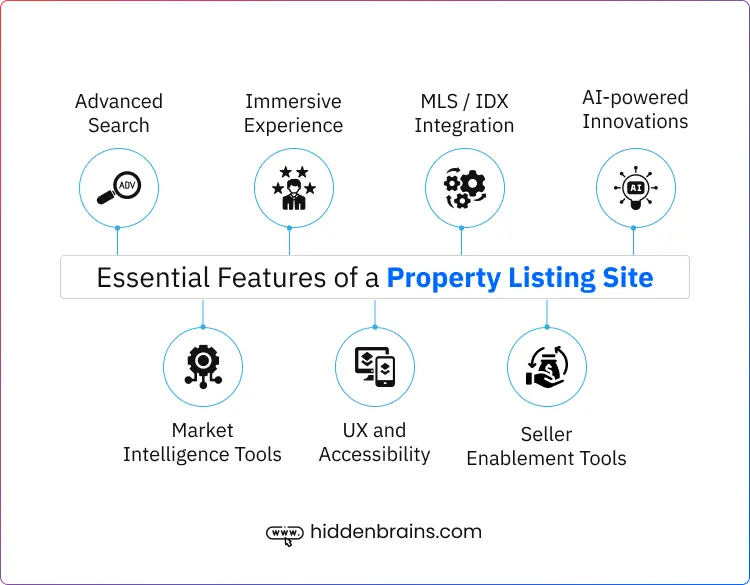
The right combination of features determines adoption, builds trust, and accelerates deal velocity. Below are the core capabilities that define successful platforms today.
1. Advanced Search & Discovery
Discovery shapes the first impression, and user expectations are high. AI-powered search filters enable precise exploration based on price, location, bedrooms, bathrooms, amenities, schools, commute time, walkability, and lifestyle preferences. Interactive maps add valuable context by highlighting nearby parks, transit access, and neighborhood insights.
Personalized recommendations further improve relevance. Saved searches trigger instant alerts for new listings or price changes, ensuring users never miss opportunities. This level of discovery is foundational for any high-performing real estate marketplace platform.
2. Immersive Property Details & Visuals
Buyers want clarity before initiating contact, and rich visuals play a critical role. High-resolution images are essential, but modern platforms go further by offering 3D tours, virtual staging, and interactive floor plans. These tools help buyers understand layout and space without visiting in person.
Videos, drone footage, and neighborhood walkthroughs add another layer of confidence. Detailed listing data, including room dimensions, energy ratings, and smart home features, reduces uncertainty and builds trust across any rental or property listing portal.
3. Valuation & Market Intelligence Tools
Pricing decisions directly impact outcomes. AI-driven valuation tools improve accuracy by analyzing real-time market data and comparable sales. Sellers benefit from instant comparative market analysis (CMA) reports that clarify positioning and pricing strategy.
Market dashboards visualize trends such as inventory levels, price movement, and short-term forecasts. These insights are especially critical for the success of FSBO (For Sale By Owner) real estate platforms, where owners rely heavily on data-driven guidance.
4. User Experience & Accessibility
Most users search for properties on mobile devices, making speed and usability non-negotiable. A mobile-first design ensures fast load times and smooth navigation, which significantly reduces bounce rates. AI chatbots enhance responsiveness by answering questions, qualifying leads, and supporting tour scheduling around the clock.
Smart inquiry forms simplify communication, while CRM integrations keep follow-ups organized. A strong user experience turns casual browsing into meaningful action.
5. MLS / IDX Integration & Market Exposure
Visibility continues to drive deal success. MLS access remains essential, whether offered through flat-fee listings or full syndication models. Listings must seamlessly reach platforms such as Zillow, Realtor.com, and Redfin to maximize exposure.
Unlimited photo uploads and easy listing management tools empower owners while improving engagement. This integration defines reach and credibility for home listing websites across the globe.
6. Transaction & Seller Enablement Tools
Post-listing workflows are just as important as discovery. Digital contracts and e-signatures streamline paperwork and reduce friction throughout the transaction process. Built-in compliance features help platforms adapt to regulatory changes, including post-NAR updates.
Showing schedulers improve coordination, while marketing automation expands listing visibility. Analytics tools reveal buyer intent and engagement patterns, enabling smarter seller decisions and smoother owner-led transactions.
7. AI-driven Innovations: The 2026 Differentiator
Artificial intelligence is now the key differentiator among real estate platforms. Predictive pricing tools guide smarter decisions, while dynamic buyer-seller matching improves relevance. Virtual remodeling features allow users to visualize potential upgrades instantly.
AI-powered lead scoring prioritizes high-intent prospects, and automated follow-ups shorten deal cycles. These innovations are where modern platforms gain a lasting competitive edge.
Rental & Property Listing Portals: Beyond Buying and Selling
Real estate software development solutions are no longer secondary features. They are core growth engines.
In the United States, rentals remain resilient despite slower home sales. Nearly one million new multifamily units were added in 2024, with over 600,000 more delivered in recent years. Agent-assisted transactions recorded a median sale price of $425,000, significantly higher than the $360,000 median for FSBO homes. At the same time, accidental landlords are increasing, converting unsold homes into rentals. In Canada, vacancy rates rose to 3.1% in 2025, up from 2.2% in 2024, yet demand remains strong. Rent growth is projected at 2–4% annually through 2029, supported by the need for millions of new homes to address affordability.
Mexico shows similar momentum. The residential real estate market, including rentals, is projected to grow at a 6.2% CAGR, reaching USD 5852.02 billion by 2030–2031. Urbanization and population growth in major cities continue to fuel rental demand. For platforms, this creates steady, repeat usage. Rentals unlock predictable revenue through listings, premium visibility, and tenant services. As developers of AI-powered real estate solutions, we consistently see rentals outperform sales in long-term engagement and monetization stability.
Technology Stack that Powers Scalable Real Estate Platforms
Behind every successful real estate platform is a flexible, future-ready technology stack. Scalability, speed, and intelligence are no longer optional. They are fundamental requirements for platforms that aim to grow and adapt in dynamic real estate markets.
- Cloud-native architecture: Built on scalable cloud infrastructure, it handles traffic spikes, growing listing volumes, and peak search loads without performance degradation. This ensures reliability as user demand increases.
- AI-driven intelligence: Adds depth and efficiency across the platform. Recommendation engines personalize property discovery, while pricing models deliver data-backed insights for buyers and sellers. Predictive analytics further support smarter decisions by identifying trends and opportunities early.
- Data security and user privacy: End-to-end encryption protects sensitive transactions, role-based access ensures controlled data usage, and built-in compliance aligns the platform with regional regulations across different markets.
- Mobile-first performance: Platforms are optimized for speed and responsiveness, delivering seamless experiences on smaller screens where most users begin their property searches.
- Third-party integrations: Seamless payment gateways, map services for geo-visualization. CRM tools for lead tracking and follow-ups.
This stack turns platforms into reliable ecosystems. Built to grow and adapt.
Why Real Estate Businesses Need Technology Partners, Not Just Developers
Building a real estate platform is more than a technical exercise; it is a strategic business decision. Marketplaces, FSBO models, rental portals, and hybrid platforms each behave differently, with unique monetization structures, compliance requirements, and growth challenges. That is why real estate businesses benefit from technology partners who understand the business context, not just teams that deliver features.
Product Thinking Over Feature Delivery
Traditional developers often focus on building exactly what is requested, but a true technology partner asks why. For example, a listing marketplace requires volume-driven monetization, rental platforms rely on repeat engagement, and FSBO or hybrid models depend heavily on trust and transparent pricing tools. Product thinking aligns features with revenue models, including subscription plans, flat-fee listings, premium visibility, and transaction-led services. It ensures platforms are built to perform, not merely function.
Domain Expertise Makes the Difference
Real estate is heavily regulated and region-specific. MLS rules differ across markets, compliance varies by jurisdiction, and user behavior shifts between rental and sales contexts. A technology partner brings deep domain expertise, anticipates edge cases, and designs workflows tailored to real-world transactions. This reduces rework, minimizes costly mistakes, and ensures the platform operates effectively across all target markets.
Faster Speed to Market Without Compromising Quality
Timing is critical in real estate. Markets move quickly, and delays can mean missed opportunities. Technology partners leverage proven frameworks, reusable components, and scalable architectures to accelerate launches without cutting corners. Startups can validate faster, while enterprises can modernize safely. With the right approach, speed and stability coexist, allowing businesses to deploy robust solutions quickly and confidently.
Ongoing Support, Scaling, and Optimization
A real estate platform is never truly “done.” User behavior evolves, inventory grows, and business models expand. Rental-focused platforms scale differently than sales-led or hybrid models, requiring continuous optimization. A true technology partner provides ongoing support through performance tuning, feature evolution, and AI integration. This ensures the platform remains competitive, adaptable, and capable of delivering long-term engagement and growth.
Real-world Use Cases: How Technology Transforms Property Platforms
AI-enabled Real Estate Marketplace Build
ALS developed a unified real estate marketplace solution that brings buyers, sellers, and renters together in one place in real time, integrating MLS feeds, advanced search, and secure transactions. This project demonstrates how rental & property listing portals, direct owner-to-buyer platforms, and sales ecosystems can be built to scale with robust UX and backend intelligence. Together, these capabilities drive long-term user engagement and create sustainable monetization opportunities.
Houzeo: Smarter FSBO Experience
Houzeo consistently ranks as a top FSBO platform in 2025–2026 reviews. Its flat-fee MLS listings, unlimited photos, and smart seller tools show how a tech-driven design attracts owners seeking agent-free options. Features like cost-of-living calculators further enhance value, proving that the right functionality can grow reach and engagement.
Edmonton Family Savings Story
A family in Edmonton saved $22,450 in commission fees by leveraging a modern FSBO workflow, with staging, professional photos, and pricing tools leading to multiple offers in one weekend. Meanwhile, Zillow’s FSBO listings demonstrate owner control but also underline the need for strong verification, as one seller encountered fraudulent crypto offers that were later retracted. These examples highlight both opportunity and risk without proper tech safeguards.
How Hidden Brains Can Help?
Hidden Brains brings deep experience in building real estate software solutions and applications that scale. From custom FSBO real estate platforms to full-fledged property listing marketplaces, we design secure owner-to-buyer transaction ecosystems powered by AI. Our end-to-end approach covers strategy, UX, development, and long-term scaling, helping real estate businesses launch faster and grow smarter.

Build a Scalable Real Estate Platform for the Future.
Connect NowFrequently Asked Questions
What is an FSBO real estate platform?
An FSBO platform allows property owners to list, market, and sell their homes directly without traditional agents. These platforms use technology to manage listings, pricing, communication, and compliance efficiently.
Are FSBO platforms replacing real estate agents?
No. FSBO platforms serve a niche audience. They complement the market by offering alternatives such as flat-fee, hybrid, or owner-led models alongside agent-assisted transactions.
Why should platforms combine rentals and property sales?
Rentals drive recurring engagement and predictable revenue. Blending rentals with sales helps platforms retain users longer and monetize beyond one-time transactions.
What technology features are critical for modern real estate platforms?
AI-powered search, valuation tools, MLS integration, mobile-first design, secure messaging, and compliance workflows are essential for scalability, trust, and performance.
How do real estate businesses benefit from working with technology partners?
Technology partners bring product thinking, domain expertise, and scalable architecture, helping businesses launch faster, adapt to market changes, and support long-term growth.



Conclusion
Real estate is entering a platform-led era. Owners expect control. Buyers expect clarity. Technology bridges that gap. From FSBO models to rental ecosystems, success now depends on scalable, intelligent solutions built for trust and speed. The future belongs to platforms that blend data, experience, and flexibility into one seamless journey. A well-built property listing marketplace is no longer optional. It has become the foundation for sustainable growth.