



































































































































Summary
- Learn how DreamHorse validated the U.S. equine marketplace industry.
- Discover the essential features needed for a scalable Horse Marketplace.
- Understand marketplace monetization models and development cost factors.
- Explore the technology strategy behind high-growth equine platforms.
- See how Remuda showcases the future of modern equine marketplaces.
The U.S. equine industry is rapidly shifting toward digital-first buying and selling experiences, creating a strong opportunity for you to build a scalable horse marketplace platform. Legacy players like DreamHorse.com have already proved the long-term demand for dedicated equine marketplaces by becoming one of the most recognized horse classifieds platforms in the USA. But today’s market expects far more than simple listings.
In this blog, you’ll learn how you can build a modern horse marketplace like DreamHorse.com, including the essential features, development costs, monetization strategies, and technology decisions required to scale successfully. You’ll also discover the business opportunity behind launching a horse marketplace in the USA, along with how emerging platforms are redefining the equine marketplace experience through modern, community-driven digital ecosystems.
| At a Glance | Details |
|---|---|
| Guide Focus | Building a modern equine marketplace with key features, tech stack, costs, and monetization strategies. |
| Whom It May Help | Startup founders, entrepreneurs, product managers, CTOs, and marketplace businesses. |
| 60-Second Takeaway | A successful equine marketplace combines advanced search, verified listings, mobile experience, secure transactions, and scalable technology. |
| Main Takeaways | Learn essential features, development costs, revenue models, and scalability best practices. |
| Recommended For | Businesses planning to launch or modernize an equine or niche marketplace platform. |
| Reading Time | ~10 minutes |
One strong example of this evolution is Remuda, a modern equine marketplace platform developed by Hidden Brains.
Why DreamHorse.Com Became the Benchmark Equine Marketplace in the USA
When you think about a successful horse marketplace in the USA, DreamHorse.com is likely one of the first platforms that comes to mind. More importantly, it proved that the equine industry could sustain a dedicated digital marketplace ecosystem beyond generic classifieds platforms.
Here’s what made DreamHorse.com the benchmark in the equine marketplace space:
Early Mover Advantage in Equine Classifieds
DreamHorse.com entered the market before niche marketplaces became mainstream, helping it build strong brand trust across buyers, breeders, trainers, and ranch owners.
Search-driven Horse Discovery Experience
Advanced filters for breed, discipline, age, location, and pricing made horse discovery faster, more organized, and user-friendly.
Large Marketplace Category Ecosystem
Beyond horse listings, the platform expanded into tack and equipment, horse trailers, stallion directories, and equine services, creating a broader horse Marketplace ecosystem.
Nationwide Reach for Buyers & Breeders
DreamHorse.com connected sellers and buyers across the USA through a centralized equine marketplace platform with large-scale listing visibility.
Simple Listing Structure That Scaled
The platform maintained a clean, easy listing experience while supporting high marketplace activity for decades.
Key Market Validation for Equine Startups
DreamHorse.com proved the long-term commercial viability of a dedicated horse marketplace in the USA, showing that niche marketplaces can outperform generic classifieds platforms.
Facing Challenges in Digitizing Equine Platforms?
Talk to an Expert
Essential Features Needed to Build an Equine Marketplace Like DreamHorse.Com
If you want to build a scalable equine marketplace, basic classified functionality is no longer enough. Today’s users expect faster discovery, trusted seller interactions, mobile accessibility, and seamless buying experiences.
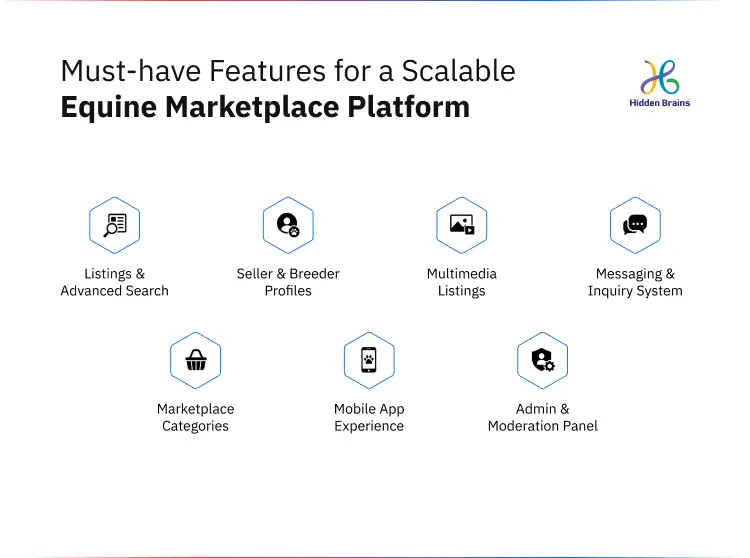
Your platform should not just support listings; it should create a connected digital ecosystem for buyers, breeders, trainers, and equine businesses.
Here are the core features your marketplace platform should include:
Horse Listings & Advanced Search
A strong search and discovery system is the foundation of every successful horse marketplace in the USA.
Key capabilities include:
- Breed, discipline, and bloodline filters
- Age, gender, and pricing filters
- Location-based horse discovery
- Saved searches and buyer preferences
- Advanced sorting for faster horse discovery
It helps your users find relevant listings quickly without having to browse endless categories.
Market Impact: Advanced search and filters can deliver up to 2x higher conversion rates on desktop compared to basic search. Shoppers who use robust search tools are 2–3x more likely to convert.
Seller & Breeder Profiles
Trust plays a major role in equine transactions. Your platform should help buyers evaluate sellers before making inquiries.
Essential profile features include:
- Verified breeder and seller profiles
- Reputation and listing history
- Stable or ranch showcase pages
- Seller ratings and credibility indicators
- Contact and inquiry management tools
These features improve buyer confidence and increase engagement across your marketplace.
Market Impact: Verified sellers often see 34% higher conversion rates, with improved customer trust scores (up to +27%) and lower return rates.
Multimedia Listings
Modern equine buyers expect more than static images. Rich listing experiences improve trust and conversion rates.
Your platform should support:
- HD horse photos
- Riding and training videos
- Health and veterinary records
- Bloodline and pedigree information
- Training history and competition details
Detailed multimedia listings help you create stronger buyer interest and improve listing quality across the marketplace.
Market Impact: In comparable high-consideration markets, video-inclusive listings receive up to 403% more inquiriesand sell faster.
Messaging & Inquiry System
A seamless communication system is critical for marketplace engagement and lead conversion.
Your horse marketplace should include:
- Direct buyer-seller messaging
- Inquiry management dashboards
- Lead tracking and response history
- Notification alerts for inquiries
- Spam and fraud protection filters
It helps you streamline communication while improving response efficiency for sellers and breeders.
Market Impact: In-app messaging and real-time inquiry tools shorten the sales cycle and reduce drop-offs.
Marketplace Categories
If you want to increase retention and monetization opportunities, your marketplace should expand beyond horse listings.
Core categories can include:
- Horses for sale
- Tack and equipment
- Horse trailers
- Equine services
- Stallion directories
- Training and boarding services
A broader ecosystem helps you drive repeat visits and create multiple revenue streams for your platform.
Market Impact: Best-in-class marketplaces achieve higher GMV retention through broader ecosystems. A broader ecosystem helps you drive repeat visits and create multiple revenue streams for your platform.
Mobile App Experience
Most users now discover and browse listings on mobile devices. A mobile-first experience is essential if you want your equine platform to remain competitive.
Important mobile features include:
- Real-time push notifications
- Mobile listing management
- Faster image and video uploads
- In-app messaging and inquiries
- Seamless browsing experience across devices
This is where investing in the right mobile app development services becomes important. A well-designed mobile experience can significantly improve user engagement, retention, and overall marketplace activity.
Market Impact: Mobile apps significantly outperform mobile websites. Users view 4.2x more products per session in apps, with conversion rates up to 157% higher than mobile web.
Admin & Moderation Panel
As your marketplace grows, operational control becomes critical. A powerful admin panel helps you manage platform quality and monetization more effectively.
Key admin capabilities include:
- Listing approval and moderation
- Fraud detection and prevention tools
- User and subscription management
- Marketplace analytics dashboards
- Revenue and monetization controls
It gives you better visibility, operational control, and long-term scalability.
Market Impact: Effective systems can reduce fraudulent activity dramatically (e.g., unauthorized actions dropping by 70%+ in similar regulated environments) while maintaining user trust.
Revenue Models & Development Cost Strategy for a Horse Marketplace
Modern equine platforms are no longer just listing websites. A scalable horse marketplace operates as a recurring revenue ecosystem with multiple monetization opportunities built into the platform from day one. Understanding how the $122B global equine industry continues to embrace digital marketplaces also highlights why development costs increasingly depend on how advanced, feature-rich, and scalable you want your platform to become.
Key Revenue Streams for Equine Marketplaces
Your platform can generate revenue through:
- Paid horse listing plans
- Featured or spotlight listings
- Subscription plans for breeders and ranches
- Sponsored placements and advertisements
- Commission-based premium transactions
- Marketplace partnerships and sponsorships
It helps you generate long-term recurring revenue rather than relying solely on one-time listing fees.
Development Stages & Cost Scope
The cost of building a horse marketplace in the USA typically ranges from $10,000 to $50,000, depending on your feature requirements, platform scope, integrations, and long-term scalability goals.
MVP Marketplace
Best if you want to quickly validate your marketplace idea.
Includes:
- Horse listings
- Advanced search
- Seller profiles
- Messaging system
Mid-scale Marketplace Platform
Built for growing user engagement and monetization.
Includes:
- Mobile applications
- Payments and subscriptions
- Analytics dashboards
- Moderation systems
- Scalable backend infrastructure
Enterprise-level Equine Marketplace
Designed for long-term marketplace expansion and high-volume operations.
Includes:
- AI-powered recommendations
- Advanced analytics
- Community and social features
- Multi-region scalability
- Enterprise-grade infrastructure
Note: These estimates are indicative and can vary based on custom features, third-party integrations, mobile app scope, infrastructure requirements, and the overall complexity of your marketplace platform.
What Impacts Development Cost?
Your final marketplace cost typically depends on:
- Feature complexity
- Mobile app scope
- Third-party integrations
- Scalability requirements
- Monetization architecture
- Admin and moderation capabilities
The more scalable and engagement-focused your marketplace vision is, the more important your underlying technology strategy becomes.
Technology Strategy Behind a Scalable Equine Marketplace
Building a successful Horse Marketplace is not just about adding listings and search filters. Long-term scalability, performance, and user retention depend heavily on the technology decisions you make early in development. That is why partnering with an experienced software development company in California, like Hidden Brains, can help businesses build a secure, scalable, and interactive equine marketplace tailored to the evolving needs of the U.S. horse industry.
Your marketplace needs an architecture capable of supporting growing traffic, high-quality media, real-time engagement, and future monetization expansion.
Key technology foundations include:
- Cloud-native Architecture Services: Helps you scale faster while maintaining high platform availability.
- Marketplace-ready Backend Systems: Supports large listing volumes, transactions, and operational workflows efficiently.
- Mobile-first Design Engineering: Delivers seamless browsing and listing experiences across mobile and web platforms.
- AI-powered Search & Recommendations: Improves horse discovery through personalized search results and smart filters.
- Secure Payment & Messaging Systems: Protect transactions, inquiries, and user communication across your platform.
- SEO-friendly Listing Architecture: Helps your horse listings rank higher in search results and drive organic traffic.
- High-performance Image & Video Management: Ensures faster load times and smoother multimedia experiences.
The stronger your technology foundation is, the easier it becomes to scale your horse marketplace in the USA into a long-term digital ecosystem rather than just another classifieds platform.
How Hidden Brains Helped Build Remuda: A Modern Equine Marketplace
While DreamHorse.com helped establish the foundation of the digital equine classifieds industry, newer platforms are now redefining what a modern horse marketplace can become. This shift is being driven by community engagement, mobile-first experiences, and scalable marketplace ecosystems designed for today’s users.
Building Beyond Traditional Classifieds
Remuda was designed to go beyond basic horse listings and create a more connected equine ecosystem. Instead of functioning as a static classifieds platform, the marketplace focused on helping users engage more effectively through interactive digital experiences.
This approach positioned the platform as a modern alternative within the evolving horse marketplace in the USA landscape.
Creating a Community-driven Marketplace Experience
One of the core goals of Remuda was to create a platform that encouraged continuous user engagement rather than one-time transactions. The marketplace combined listings with social and community-driven interactions, helping users stay connected beyond the buying and selling process.
This marketplace-and-social-ecosystem approach increased retention while building a more active equine community.
Developing Native Mobile Experiences
To support modern user behavior, Hidden Brains developed native iOS and Android applications for the platform. It allowed users to browse listings, manage profiles, communicate, and engage with the marketplace seamlessly through mobile devices.
The mobile-first experience played a major role in improving accessibility and increasing marketplace activity.
Enabling Real-time Marketplace Engagement
Remuda was built with features that enabled faster, more dynamic user interactions. Real-time engagement capabilities improved communication, listing activity, and buyer responsiveness across the platform.
Combined with a modern UI/UX experience, the platform delivered a smoother, more engaging user journey than traditional classifieds-based equine platforms.
Building a Scalable Marketplace Architecture
From the beginning, the platform architecture was designed for scalability. Hidden Brains focused on building a marketplace-ready backend capable of supporting growing user activity, multimedia-heavy listings, and long-term feature expansion.
This scalable foundation helped support a growing user base, including 12K+ active users and strong app engagement metrics.
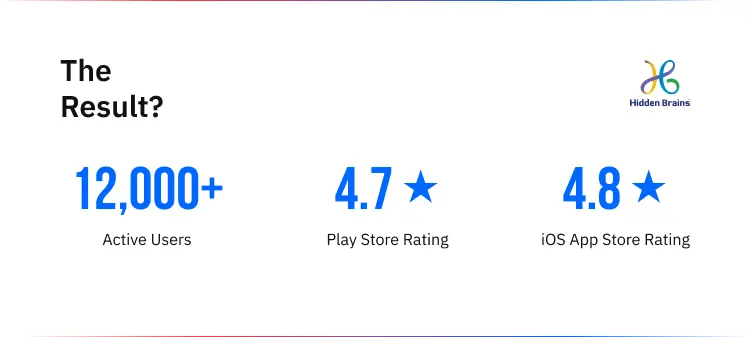
The Remuda case study reflects Hidden Brains’ expertise in building scalable niche marketplace ecosystems, not just applications. With deep experience in marketplace architecture, mobile technologies, and enterprise-grade platform development, Hidden Brains helps you transform marketplace ideas into scalable digital products.
If you’re planning to build a modern horse marketplace, the goal should not just be development, it should be building a long-term marketplace ecosystem that can scale, engage communities, and drive recurring growth.

Struggling to Build a Scalable Equine Marketplace?
Connect NowFrequently Asked Questions
What is a horse marketplace platform?
A horse marketplace is a digital ecosystem where buyers, sellers, breeders, and equestrian service providers connect to list, discover, and transact horses and related services. Unlike traditional classifieds, it offers structured search, verified profiles, messaging, and community-driven engagement, enhancing trust and discovery.
How much does it cost to build a horse marketplace?
The cost depends on your platform’s complexity and scale. An MVP version with core listings and search costs significantly less, while mid-scale platforms with mobile apps, payments, and analytics require higher budgets. Enterprise-grade equine marketplaces with AI recommendations, scalability, and advanced engagement features require custom development and a long-term product roadmap.
What are the must-have features for a competitive horse marketplace today?
Essential features include:
– Advanced search with breed, discipline, age, location, and pricing filters
– Verified seller/breeder profiles with ratings and ranch showcases
– Rich multimedia listings (HD photos, videos, health records, pedigrees)
– Seamless in-app messaging and inquiry management
– Multiple marketplace categories (tack, trailers, services, stallion directories)
– Robust admin moderation and analytics tools
Is the U.S. equine industry large enough for niche marketplaces?
Yes. The U.S. equine industry is highly active, geographically distributed, and driven by specialized buyer-seller relationships. It makes it ideal for niche digital marketplaces where trust, discovery, and community matter more than volume alone. Platforms like DreamHorse.com have already proven strong long-term demand in this segment.
Why is a mobile app experience critical for a successful horse marketplace?
Today’s equine buyers and sellers primarily browse and transact on mobile devices. A well-designed native mobile app delivers real-time push notifications for new listings or inquiries, easy on-the-go photo/video uploads, in-app messaging, saved searches, and a smooth browsing experience. This mobile-first approach dramatically increases user engagement, response rates, listing quality, and overall marketplace activity compared to web-only platforms.
What specific mobile app features should I prioritize for my equine marketplace?
Focus on features that enhance daily usability:
– Intuitive listing creation and management with fast media uploads
– Real-time notifications for matches, messages, and saved searches
– In-app chat and inquiry tracking
– Personalized recommendations and location-based discovery
– Offline access to saved listings and profiles
– Secure payment and document sharing for transactions
These capabilities make the platform sticky and convenient, encouraging users to return frequently.
Why should I choose a mobile-first development approach from the start?
Mobile usage dominates equine shopping behavior. Launching with a responsive, native iOS and Android experience ensures broader reach, higher retention, and better conversion rates. It also future-proofs your platform as users increasingly expect fast, app-like interactions rather than clunky mobile websites. Investing early in mobile development (as done successfully with Remuda) pays off through stronger community engagement and long-term growth.



Conclusion
The U.S. equine market has already been validated by platforms like Remuda and DreamHorse, demonstrating strong, sustained demand for a dedicated horse marketplace. However, the next generation of platforms must move far beyond traditional classifieds. Today’s buyers expect mobile-first access, trusted transactions, and community-driven experiences that feel connected and real-time.
If you’re entering this market as a founder or investor, the opportunity is no longer just about listing horses. It’s about building scalable digital ecosystems that can power the future of the equine industry and redefine how the market operates end-to-end.